
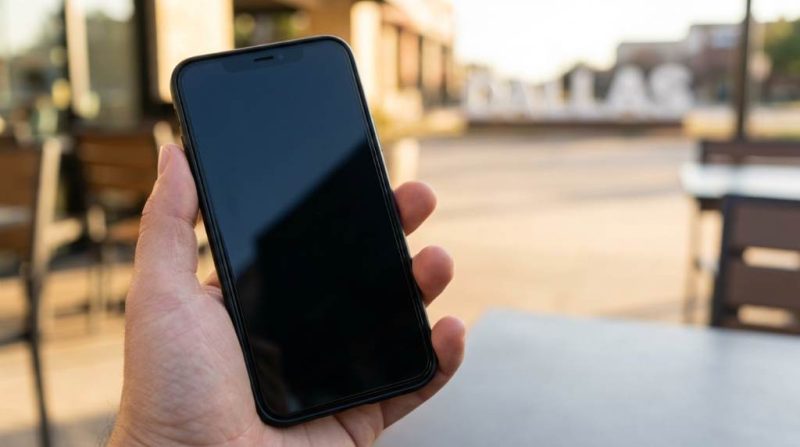
Many smartphone users become frustrated when their screen stays black after ending a call. Studies show that smartphone users interact with their devices more than 2,500 times daily. Additionally, display related issues rank among the most reported mobile concerns. If you need to fix proximity sensor issues on smartphone devices, understanding the cause becomes important. In Dallas, TX, environmental conditions and device usage habits can contribute to this common problem.
Understanding Why the Screen Remains Dark
The screen should automatically wake up when a call ends. However, several hardware and software components control this process. When one component fails, the display may stay dark. As a result, users often believe the phone has frozen. In reality, the issue usually comes from a sensor, application, or system setting.
The proximity sensor plays a key role during phone calls. This sensor detects when your face approaches the display. Consequently, the screen turns off to prevent accidental touches. When the sensor fails to react correctly, the display may remain black even after the call finishes.
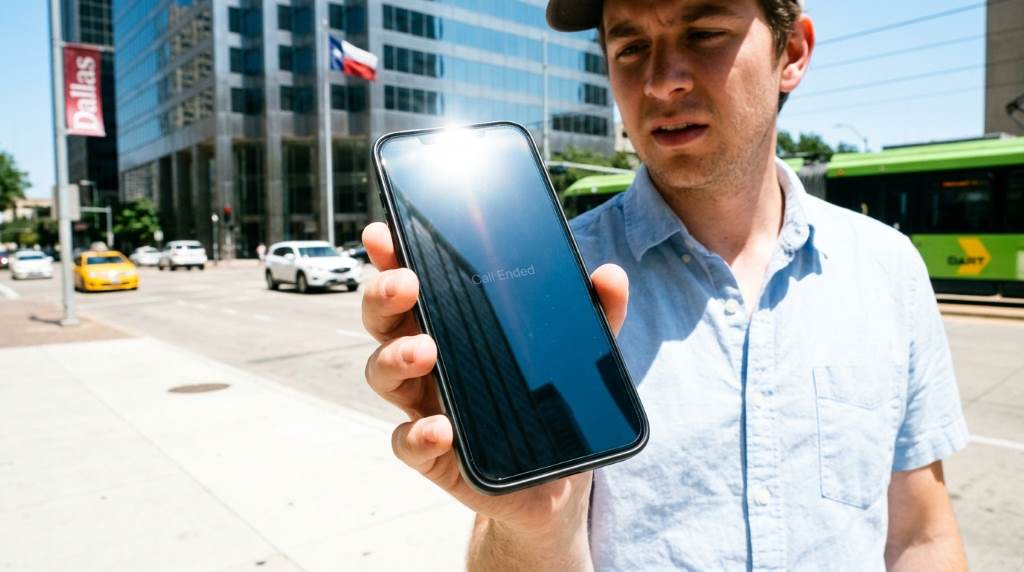
The Role of the Proximity Sensor
Most modern smartphones include advanced proximity sensors. These sensors sit near the front camera area. During calls, they constantly measure nearby objects. Therefore, they can quickly determine when your face moves away.
Many users upgrade to devices featured in guides discussing latest smartphone worth paying. Even newer phones can experience sensor issues. Dust, screen protectors, and software bugs may affect performance. As a result, age alone does not determine reliability.
Common Signs of Sensor Problems
- Screen stays black after ending calls.
- Display responds only after pressing the power button.
- Touch controls stop working during calls.
- Screen flickers when moving the phone.
- Call interface becomes inaccessible.
How Dallas Weather Affects Smartphones
Dallas experiences intense summer heat for extended periods. Temperatures often exceed levels that smartphones prefer. Consequently, internal components may experience stress. Long exposure to heat can affect sensor accuracy. Therefore, display behavior may become inconsistent.
Humidity also creates challenges despite Dallas having many dry periods. Sudden temperature changes create condensation risks. Moreover, moisture can interfere with delicate internal electronics. Even minor exposure may impact sensor performance. As a result, users may notice unusual screen behavior.
Many residents use phones outdoors for navigation and communication. Direct sunlight heats device surfaces quickly. Furthermore, excessive heat may cause temporary software instability. Once temperatures normalize, some symptoms disappear. However, repeated exposure can worsen long term reliability.
Screen Protectors Can Cause Hidden Problems
Many users overlook their screen protector when troubleshooting. Yet an improperly installed protector can block sensors. Some protectors cover critical areas near the front camera. Consequently, the sensor receives inaccurate readings. The screen may then remain dark after calls.
Low quality protectors often create more issues. They may include thick materials or poor alignment. In addition, trapped dust can interfere with sensor operation. Removing the protector temporarily helps identify the source. Therefore, this simple test can save significant troubleshooting time.
Software Bugs and Operating System Glitches
Software updates improve security and functionality. However, updates occasionally introduce new bugs. A recent operating system change may affect sensor behavior. Consequently, users may notice problems immediately after updating. Checking update history often provides useful clues.
Some applications also interfere with call functions. Call recording tools, launchers, and optimization apps sometimes conflict with system services. Likewise, poorly coded applications may consume excessive resources. This interference can affect display responsiveness. Therefore, reviewing recently installed apps becomes worthwhile.
Gamers frequently connect devices using solutions discussed in steam games directly smartphone guides. While these services work well, background applications can occasionally create unexpected software conflicts. Therefore, keeping applications updated remains important.
Cached Data and Temporary Files
Smartphones store temporary files to improve performance. Over time, these files can become corrupted. Consequently, some system functions may stop working correctly. Display related services sometimes experience unusual behavior. Clearing cache files often resolves minor issues.
Many users never restart their phones. As a result, background processes continue running for extended periods. Restarting refreshes system resources and closes problematic processes. Furthermore, it requires only a few minutes. Therefore, it should be one of the first troubleshooting steps.
Physical Damage That Users Often Miss
Not all smartphone damage appears obvious. A phone may look perfect externally. However, internal components can suffer damage from drops. Even a minor impact may shift sensor alignment. Consequently, screen issues can appear days later.
Water exposure presents another hidden risk. Small amounts of moisture sometimes enter through damaged seals. Although the phone may continue functioning, internal sensors can become unreliable. Therefore, previous exposure incidents deserve consideration. This remains true even when the device appears normal.
An Overlooked Cause: Pocket Lint Accumulation
One uncommon but real issue involves pocket lint buildup. Tiny fibers accumulate around speaker openings and sensor areas. Over time, these materials block sensor visibility. Consequently, the sensor struggles to detect distance accurately. Many repair technicians encounter this problem regularly.
Dallas residents often carry phones during outdoor activities. Dust exposure increases during construction projects and windy days. Furthermore, lint mixes with oils from daily handling. This combination forms a stubborn layer. Therefore, periodic cleaning helps maintain proper sensor function.
Checking Network and Call Related Settings
Network settings occasionally affect call behavior. Corrupted carrier configurations may create communication errors. Although uncommon, these issues sometimes impact call screen functions. Resetting network settings can help identify the problem. Therefore, users should not ignore this possibility.
Some devices offer special call handling features. These settings may include gesture controls or screen behavior options. In certain situations, configuration errors create display problems. Reviewing these settings takes little effort. Consequently, it remains a practical troubleshooting step.
Connection Performance and Device Responsiveness
A phone’s overall responsiveness affects many functions. Slow performance may delay screen activation after calls. Therefore, understanding system efficiency becomes important. Users can monitor performance through methods explaining connection speed of smartphone devices and related diagnostics. Better awareness helps identify broader performance concerns.
Storage shortages also contribute to sluggish behavior. When internal memory becomes nearly full, system operations slow down. Consequently, display functions may respond inconsistently. Removing unnecessary files often improves performance. Therefore, maintaining available storage space remains beneficial.
Practical Troubleshooting Steps
Most users can perform several diagnostic steps safely. These checks require no technical expertise. Additionally, they help isolate common causes. Following a structured approach saves time. It also prevents unnecessary repairs.
- Restart the smartphone.
- Remove the screen protector temporarily.
- Clean the sensor area carefully.
- Install pending software updates.
- Clear application cache files.
- Test the device in safe mode.
- Check for recent application installations.
- Review accessibility and call settings.
When Professional Repair Makes Sense
Some issues require specialized equipment. Repair technicians can test sensors directly. They also access diagnostic tools unavailable to consumers. Consequently, they identify hardware failures quickly. Professional evaluation often prevents unnecessary replacement costs.
Choose a reputable repair provider with experience. Skilled technicians understand manufacturer specific systems. Furthermore, they recognize symptoms that users may overlook. Accurate diagnosis leads to effective repairs. Therefore, expertise matters significantly.
Preventing Future Screen Problems
Prevention often costs less than repair. Simple habits protect smartphone components from damage. Additionally, routine maintenance improves reliability. Small actions produce meaningful long term benefits. Therefore, prevention deserves attention.
- Keep the phone clean.
- Avoid prolonged heat exposure.
- Use quality screen protectors.
- Install updates regularly.
- Protect the device from drops.
- Monitor storage usage.
- Restart the device weekly.
Users who follow these practices experience fewer display issues. Moreover, sensors remain more accurate over time. Consistent maintenance supports overall device health. As a result, smartphones perform better during daily use. This approach reduces unexpected frustrations.
Conclusion
When call screens stay dark after calls, the cause often involves sensors, software, or environmental factors. Dallas weather conditions can increase stress on mobile devices. Fortunately, most issues have practical solutions. Regular cleaning, proper maintenance, and timely updates help prevent many problems. If troubleshooting does not resolve the issue, contact a qualified smartphone repair professional and restore full functionality before the problem worsens.
FAQs
Why does my phone screen stay black after ending a call?
A faulty proximity sensor or software issue commonly causes the problem.
Can a screen protector affect call screen behavior?
Yes, an improperly aligned protector can block the proximity sensor.
Does Dallas heat affect smartphone sensors?
Yes, prolonged exposure to high temperatures can reduce sensor accuracy.
Should I replace my phone immediately?
No, many cases require only cleaning, updates, or simple repairs.
How often should I clean the sensor area?
Cleaning the area every few weeks helps maintain reliable performance.
