
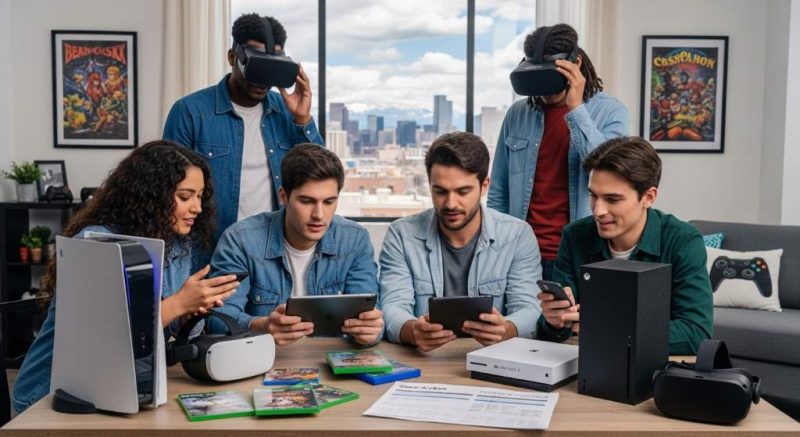
Virtual reality gaming continues to grow across the United States, and Denver, Colorado has become one of the most active cities for VR buyers. Recent gaming market reports show that VR headset sales increased by more than 20% in the past year, while trade-in programs also gained major attention from younger gamers. Many local players now compare prices, resale values, and upgrade programs before purchasing expensive equipment. As a result, discussions around GameStop VR headset trade in options have become common among Denver residents who want better value before making a purchase.
Denver gamers often balance performance with long-term affordability because VR hardware costs continue to rise. New headsets, controllers, gaming PCs, and accessories can quickly exceed a large budget. Therefore, many buyers now study trade-in systems before upgrading to newer devices. This trend has also changed how local gaming communities discuss purchasing decisions. Instead of buying impulsively, many players now plan smarter upgrade cycles to avoid wasting money.
The Rising Cost of VR Gaming in Denver
Denver gamers face higher entertainment costs than many other cities because electronics pricing and living expenses continue climbing. A complete VR setup often includes a gaming computer, headset, upgraded graphics card, accessories, and subscription services. Consequently, players want to reduce upfront spending whenever possible. Trade-in systems help many users lower costs while staying current with modern technology.
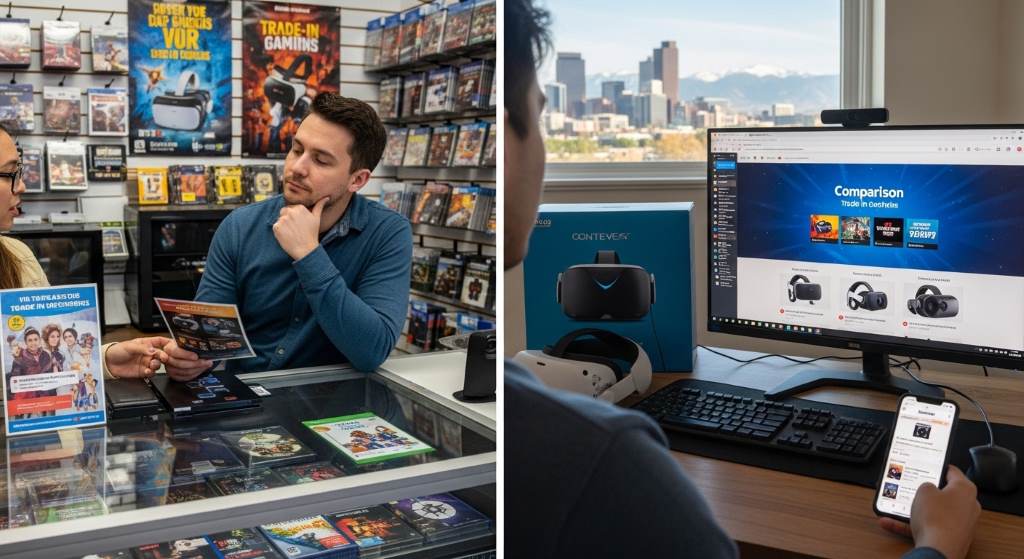
Colorado’s weather also affects gaming habits throughout the year. During snowy winters, more residents spend extended hours indoors playing games or exploring VR experiences. Because of this seasonal behavior, demand for gaming hardware usually spikes between late fall and early spring. Some gamers researching computer freeze when I play games also realize that outdated systems struggle with VR requirements. As a result, they often consider trading older devices toward more powerful upgrades.
Many Denver buyers also compare local store credit offers with online resale platforms before making a final decision. Some prefer instant trade-in programs because they avoid shipping risks and long waiting periods. Others choose direct marketplace sales to maximize returns on premium gaming hardware. However, convenience remains a major deciding factor for busy professionals and students in the city.
Why Trade-In Programs Appeal to Modern Gamers
Gaming technology changes rapidly, especially in the VR market where new features arrive almost every year. Eye tracking, wireless streaming, motion precision, and lighter headsets continue improving at a fast pace. Therefore, many gamers avoid locking themselves into outdated equipment for long periods. Trade-in programs create flexibility that allows players to upgrade more frequently without starting from zero financially.
Denver’s younger gaming audience also values sustainability more than previous generations. Instead of discarding old electronics, many players prefer resale or trade-in systems that reduce electronic waste. This environmental angle rarely appears in mainstream gaming blogs, yet it strongly influences many Colorado consumers. Since Denver residents often support eco-friendly habits, trade-in programs fit naturally into local buying behavior.
Another uncommon factor involves apartment living in downtown Denver neighborhoods. Many gamers living in smaller spaces dislike storing unused consoles, controllers, and headsets. Trade-ins help reduce clutter while generating value toward newer devices. Consequently, compact urban living indirectly encourages gamers to rotate equipment more often than suburban buyers.
How Denver’s Climate Influences VR Purchasing Decisions
Denver’s dry climate creates unique challenges for electronics and VR hardware maintenance. Dust accumulation can affect cooling systems, sensors, and PC airflow over time. Because of this, gamers often replace or upgrade hardware earlier than expected. Trade-in programs provide an easier path toward refreshing aging equipment before performance problems become severe.
Winter weather also drives longer indoor gaming sessions, which increases wear on controllers, headsets, and batteries. Heavy VR usage during cold months can reduce hardware lifespan faster than casual use. Therefore, many Denver gamers evaluate resale value while their equipment still performs well. This strategy helps them secure stronger trade-in credit before noticeable deterioration appears.
Summer heat creates another issue for high-performance VR systems. Gaming PCs generate significant warmth during extended VR sessions, especially inside apartments without strong cooling systems. Many residents upgrade cooling accessories or hardware to maintain smooth performance. As a result, some users continuously compare trade-in options to keep systems efficient during hotter months.
The Influence of Competitive and Social Gaming
Denver has a growing community of multiplayer and competitive gamers who regularly adopt newer technology faster than casual players. These gamers often chase higher frame rates, better tracking precision, and improved responsiveness. Consequently, they frequently trade older equipment toward premium VR systems. Competitive players rarely tolerate outdated hardware that limits performance.
Social gaming trends also influence local buying decisions. VR multiplayer experiences continue expanding across fitness games, sports simulators, and virtual hangout spaces. Many gamers researching top Roblox games 2025 also explore VR-compatible experiences that require stronger hardware. This crossover between traditional gaming and VR pushes more players toward upgrade planning.
Streaming culture further increases pressure to own better gaming equipment. Denver content creators often invest in upgraded VR setups to attract viewers interested in immersive gameplay. Since audiences expect high visual quality and stable performance, creators regularly compare trade-in programs before purchasing new hardware. This professional angle adds another reason why trade-in discussions continue growing.
Financial Strategies Behind VR Trade-Ins
Many gamers now approach VR purchases like smartphone upgrades rather than long-term ownership. They estimate future resale value before buying a headset or gaming computer. This strategy helps them calculate the real cost of ownership over several years. Consequently, buyers pay closer attention to brands that maintain stronger trade-in value.
Some Denver residents also combine seasonal sales with trade-in programs for maximum savings. Holiday promotions, back-to-school discounts, and major gaming events often create temporary price drops. By trading older devices during these periods, gamers reduce total spending significantly. Careful timing has become a common financial tactic among experienced buyers.
Local college students contribute heavily to this trend because many operate within strict budgets. Instead of purchasing everything brand new, students often recycle older consoles or PCs into newer VR equipment. Trade-ins make high-end gaming more accessible without requiring massive upfront costs. Therefore, budget-conscious gamers increasingly treat hardware like a rotating investment rather than a permanent purchase.
Comparing Local Stores and Online Platforms
Denver gamers usually compare several trade-in methods before choosing where to upgrade. Local gaming stores offer immediate convenience and faster transactions for people who dislike shipping products. Online marketplaces sometimes provide better payouts but involve more risk and effort. Therefore, buyers often weigh speed, reliability, and profitability against each other.
Many users prefer local exchanges because they can physically inspect new hardware before completing a deal. VR equipment contains sensitive lenses, motion sensors, and wearable components that buyers want to test personally. This hands-on experience creates more confidence than anonymous online purchases. Consequently, Denver’s active retail gaming scene continues supporting in-person trade-ins.
Security concerns also affect decision-making. Online scams involving electronics remain common across resale marketplaces. Some gamers would rather accept slightly lower trade-in value from trusted retailers than risk fraudulent buyers online. This practical mindset explains why established trade-in programs remain popular despite aggressive online competition.
The Psychology Behind Upgrade Culture
VR gaming creates stronger emotional excitement than many traditional gaming experiences because the technology feels immersive and futuristic. New headset launches often generate intense online discussion and fear of missing out. Therefore, gamers become highly motivated to upgrade even when current hardware still functions properly. Trade-in programs help justify those purchases psychologically by lowering perceived spending.
Denver’s tech-oriented culture also encourages early adoption. Many residents work in software, engineering, or creative industries where interest in emerging technology remains high. Because of this environment, VR products receive attention faster than in some other cities. Local gamers often compare trade-in opportunities immediately after new product announcements appear online.
An uncommon but important factor involves fitness-focused VR gaming. Many Denver residents use VR rhythm games, boxing simulators, and exercise apps during winter months when outdoor activity decreases. This blend of gaming and fitness motivates players to maintain modern equipment with better tracking and comfort. As a result, health-conscious gamers also participate actively in the trade-in market.
What Smart Buyers Check Before Trading In Gaming Equipment
Experienced gamers inspect several important details before accepting any trade-in offer. They compare market value, device condition, included accessories, and warranty status carefully. Buyers who rush the process often lose significant value unnecessarily. Therefore, preparation remains essential for maximizing trade-in returns.
- Clean VR lenses and controllers before evaluation
- Reset devices to factory settings properly
- Include original cables and packaging when possible
- Compare multiple trade-in offers before deciding
- Monitor seasonal pricing trends for better timing
Gamers should also check hardware compatibility before upgrading. Some VR headsets require stronger graphics cards or newer processors for optimal performance. Without proper planning, buyers may face unexpected additional costs after trading equipment. Consequently, many Denver gamers research full ecosystem requirements before making decisions.
The Future of VR Trade-Ins in Denver
The VR market will likely continue expanding as hardware becomes more advanced and accessible. Wireless technology, mixed reality features, and AI-powered enhancements already influence upcoming product designs. Therefore, upgrade cycles may become even shorter during the next few years. Trade-in systems will probably grow alongside this rapid technological evolution.
Denver’s strong gaming culture positions the city as an active market for future VR adoption. Local esports growth, streaming communities, and tech-focused consumers continue driving demand for advanced gaming equipment. Since players increasingly prioritize value and flexibility, trade-in programs should remain highly relevant. Retailers that offer transparent pricing and fair evaluations may gain stronger customer loyalty.
Many gamers also expect more bundled upgrade programs in the future. Instead of isolated trade-ins, companies may offer subscription-style hardware plans with regular upgrades included. This model already exists in other technology sectors and could eventually influence VR gaming strongly. Consequently, Denver gamers may soon approach VR ownership very differently than they do today.
Conclusion
Denver, CO gamers compare trade-in gaming options before buying VR because the technology evolves quickly and costs continue increasing. Local climate conditions, competitive gaming culture, apartment living, and sustainability concerns all shape purchasing behavior in unique ways. Many players also study gadget EuroGamersOnline overlooked competitive gadgets while researching smarter upgrade paths and performance improvements. If you plan to invest in VR gaming soon, compare trade-in offers carefully, evaluate long-term upgrade costs, and choose equipment that matches your gaming goals for the future.
FAQs
Why are Denver gamers interested in VR trade-in programs?
Many Denver gamers use trade-ins to reduce the high cost of upgrading VR equipment.
Do trade-ins help lower VR gaming expenses?
Yes, trade-ins can significantly reduce upfront costs when buying newer hardware.
Does Denver’s weather affect gaming hardware?
Yes, dry air, dust, and seasonal indoor gaming can increase hardware wear over time.
Are local stores safer than online resale platforms?
Many gamers prefer local stores because they offer faster and more secure transactions.
Should gamers compare multiple trade-in offers?
Yes, comparing several offers helps gamers maximize the value of their old equipment.
