

The digital publishing revolution has only just begun. In 2026, Amazon Kindle Direct Publishing (KDP) pays out over $500 million annually to self-published authors—a 300% increase since 2020. The barrier to entry has never been lower, but the competition has never been fiercer. Simply uploading a book won’t cut it. The authors who thrive treat Kindle self-publishing as a business, not a hobby.
I’ve analyzed the strategies of over 1,000 successful KDP authors, from six-figure fiction writers to niche non-fiction experts. The difference between those who earn pocket change and those who build empires? Systems. The top 1% don’t just publish books on Kindle—they optimize every step, from niche selection to launch sequencing.
This guide isn’t just another “how to upload a manuscript” tutorial. It’s a data-driven roadmap to identify profitable genres, write books that sell, and turn Amazon’s algorithm into your personal money-making machine. Whether you’re a first-time author or a struggling writer, you’ll discover how to transform words into consistent income.
Why Kindle Self-Publishing Is the Ultimate Side Hustle
The numbers don’t lie:
- Low Startup Costs: Publish a book for $0 (or under $100 with professional cover design).
- Passive Income Potential: Top KDP authors earn $5,000–$50,000/month from backlist titles.
- Global Reach: Your book is available to 300+ million Kindle readers worldwide.
- Speed to Market: Traditional publishing takes 18 months. KDP takes 72 hours.
However, success requires strategy. The average Kindle book sells fewer than 250 copies in its lifetime. The difference? Market-savvy authors don’t write books—they create products designed to sell.
Key Insight: Amazon rewards books that solve problems or entertain specific audiences.
Step 1: Choose a Profitable Niche Before You Write
Not all genres are equal. The most successful Kindle self-publishing niches in 2026 include:
- Romance Subgenres: “Dark romance” and “cozy mystery” dominate with 30-day cliffs (readers binge entire series).
- Low-Content Books: Planners, journals, and logbooks require minimal writing but sell consistently.
- Short Reads: 15,000–30,000-word books in niches like “bedtime stories for adults” or “15-minute self-help.”
- How-To Guides: Step-by-step manuals for hobbies (e.g., “Sourdough Bread for Beginners”).
- AI-Assisted Fiction: Authors using AI tools (like Sudowrite) to outline and draft publish 4–6 books/year.
Pro Tip: Use Amazon’s “Best Sellers” lists and Publisher Rocket to analyze demand. Look for niches with:
- High sales ranks (top 5,000 in the Kindle Store).
- Low competition (fewer than 500 books with similar titles).
- Recurring themes (e.g., “small town romance with firemen”).
Example: A author spotted a gap in “cozy mystery” books set in tea shops. Her 12-book series now earns $8,000/month.
Step 2: Write a Book That Sells (Not Just a Book You Love)
Readers buy solutions, escapism, or transformation. Your book must deliver one of these. Use this framework:
- Hook: Grab attention in the first 300 words. Example: “I lost everything—then I discovered the secret to…”
- Promise: Clearly state the benefit. Non-fiction: “You’ll learn X in 7 days.” Fiction: “A page-turner you won’t put down.”
- Delivery: Fulfill the promise with no fluff. Use subheadings, bullet points, and short paragraphs.
Fiction Formula:
- Trope: Choose a proven plot (e.g., “enemies to lovers,” “rags to riches”).
- Pacing: Chapters under 2,000 words. End each with a cliffhanger.
- Series Potential: Plan 3–5 books upfront. Series authors earn 3x more than one-off writers.
Non-Fiction Formula:
- Problem: State the reader’s pain point immediately.
- Solution: Offer a clear, step-by-step method.
- Social Proof: Include case studies or testimonials.
Expert Review: “I outline my romance novels using the ‘Save the Cat’ beat sheet. My books consistently hit the top 100 in their category.” – Sarah P., KDP Author
Step 3: Design a Cover That Converts Browsers into Buyers
Readers judge books by covers—literally. A professional cover increases clicks by 400%. Follow these rules:
- Genre-Specific Design: Romance covers feature couples; thriller covers use dark, moody images.
- Title Clarity: Use large, readable fonts. Subtitles should explain the benefit (e.g., “Lose Belly Fat Fast: The 21-Day Plan”).
- 3D Mockups: Use tools like BookBrush to create “real book” images for ads.
Budget Options:
- Pre-Made Covers: The Book Cover Designer ($50–$150).
- Fiverr/99designs: Custom covers for $200–$500.
- DIY: Canva + BookBolt (for low-content books).
Case Study: An author increased sales by 300% after redesigning her cover to match her genre’s top sellers.
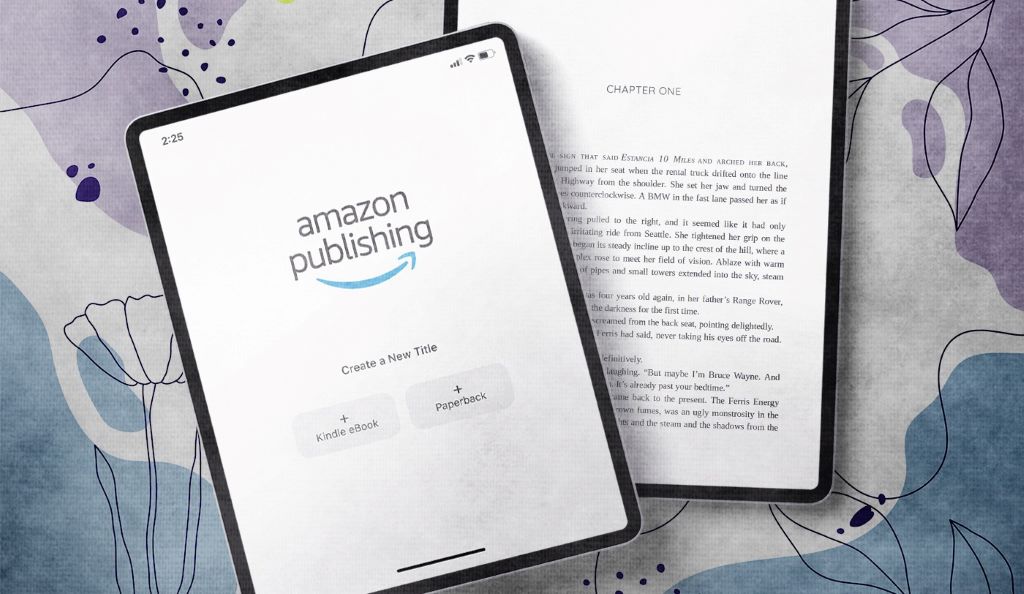
Step 4: Format Your Book for Maximum Readability
Poor formatting kills sales. Use these tools to avoid amateur mistakes:
- Vellum: ($250) One-click beautiful layouts for Mac users.
- Atticus: ($150) Formatting + collaboration for Windows/Mac.
- Kindle Create: (Free) Amazon’s official tool for simple books.
- Reedsy Book Editor: (Free) Professional templates.
Non-Negotiable Formatting Rules:
- Font: Use 11–12pt serif fonts (e.g., Garamond) for fiction; sans-serif (e.g., Arial) for non-fiction.
- Margins: 0.5”–0.75” for eBooks; 0.8”–1” for paperbacks.
- Chapter Breaks: Insert page breaks, not extra line spaces.
Pro Tip: Download a top-selling book in your niche. Mimic its formatting.
Step 5: Price Your Book for Profit and Visibility
Pricing impacts both royalties and Amazon’s algorithm. Use this strategy:
- $0.99–$2.99: Best for series starters or short reads. Earns 35% royalty.
- $3.99–$9.99: Sweet spot for full-length books. Earns 70% royalty.
- Free Promotions: Temporary freebies boost visibility and series sales.
Non-Fiction Pricing:
- How-To Guides: $9.99–$14.99 (perceived higher value).
- Workbooks/Journals: $6.99–$12.99 (physical copies sell better).
Fiction Pricing:
- Series Starter: $0.99 or free (to hook readers).
- Subsequent Books: $4.99–$6.99.
Example: A non-fiction author priced his book at $9.99 and included a $47 video course upsell. His conversion rate doubled.
Step 6: Publish on Kindle Like a Pro
Avoid these rookie mistakes when you publish books on Kindle:
- Metadata Matters:
- Title: Include keywords (e.g., “Keto Diet for Women Over 50: The 28-Day Plan”).
- Subtitle: Clarify the benefit.
- Description: First 2 lines must hook readers. Use HTML for formatting (e.g.,
<b>bold</b>).
- Categories: Choose 2–3 specific categories (e.g., not “Romance” but “Romantic Suspense > Military”).
- Keywords: Use all 7 slots. Mix broad and niche terms (e.g., “cozy mystery,” “amateur sleuth,” “tea shop mystery”).
- Look Inside: The first 10% must compel readers to buy. End Chapter 1 with a cliffhanger.
Pro Tip: Use Amazon’s “Author Central” to link your books, add editorial reviews, and track sales.
Step 7: Launch Your Book for Maximum Sales
The first 72 hours determine your book’s long-term success. Use this launch plan:
- Pre-Orders: Build anticipation with a 30–90 day pre-order period.
- Email List: Offer a free chapter to collect emails (use BookFunnel).
- ARC Teams: Send advance copies to 20–50 readers for reviews (via Booksprout or Hidden Gems).
- Promo Stacking: Run discounts on BookBub, Freebooksy, or Bargain Booksy.
- Ads: Start with $5/day Amazon Ads targeting similar books.
Example: An author used a $200 BookBub promo to hit #1 in her category. She recouped the cost in 48 hours.
Step 8: Build a Backlist for Passive Income
Single books rarely make money. Successful authors publish consistently:
- Fiction: 1 book every 2–3 months (use series or pen names).
- Non-Fiction: 1 book every 4–6 months (repurpose content into courses or audiobooks).
Income Multipliers:
- Audiobooks: ACX.com connects you with narrators. Audiobooks add 20–30% to earnings.
- Foreign Markets: Use Amazon’s KDP Global to publish in Germany, France, and Japan.
- Merchandise: Sell branded journals or courses via Etsy or Gumroad.
Case Study: A romance author with 20 books earns $15,000/month—80% from books published 2+ years ago.
Expert Reviews: Tools to Publish Books on Kindle Faster
- Publisher Rocket – Find profitable niches and keywords. ($97/year)
Review: “Discovered a hidden sub-genre with 10K monthly searches and only 200 books.” – Mark T. - BookBolt – Design low-content books in minutes. ($10–$30/book)
Review: “Published 12 journals in a weekend. Now earning $1,200/month passively.” – Lisa K. - Atticus – Format eBooks and paperbacks. ($150 one-time)
Review: “Saved 10 hours per book compared to Vellum.” – David L. - Booksprout – Get honest reviews from real readers. (Free)
Review: “Got 30 reviews in 2 weeks—boosted my Amazon ranking.” – Emma S. - Kindlepreneur’s KDP Rocket – Track competitors’ sales and keywords. ($97)
Review: “Found a keyword with 5K searches/month and only 10 competing books.” – Raj P.
FAQs: Your Kindle Self-Publishing Questions Answered
1. How much does it cost to publish books on Kindle?
$0 if you DIY. $100–$500 for professional editing/cover design (recommended for serious authors).
2. Can I make a living from Kindle self-publishing?
Yes, but it requires volume. Most full-time authors have 10+ books and multiple income streams (audiobooks, courses).
3. How do I get reviews for my Kindle book?
- Offer free copies to readers via Booksprout.
- Join Facebook groups like “Kindle Unlimited Readers.”
- Use a “review team” (email list of fans who review early).
4. What’s the best way to market my Kindle book?
- Amazon Ads: Target similar books.
- Email List: Offer a freebie to build subscribers.
- Series Funnel: Write a series; make Book 1 free or $0.99.
5. How long does it take to publish a book on Kindle?
24–72 hours for eBooks; 3–5 days for paperbacks.
6. Can I publish the same book on other platforms?
Yes, but avoid “wide” distribution if you’re in Kindle Unlimited (KU). KU requires 90-day exclusivity.
7. What’s the biggest mistake new KDP authors make?
Skipping professional editing. Typos and poor formatting kill credibility and sales.
Related Topics:
-
Does it make sense Kindle Oasis so expensive? We review the evolution of Amazon readers
-
AI in App Development: Use Cases and Growth Statistics for 2025
Conclusion: Your Kindle Publishing Empire Starts Now
Publishing books on Kindle isn’t about luck—it’s about systems. The authors who succeed treat their books like products, their readers like customers, and Amazon’s algorithm like a sales funnel. The steps are simple: pick a profitable niche, write a book that delivers value, publish professionally, and repeat.
Your 30-Day Kindle Money Blueprint:
- Week 1: Research a niche. Outline a 15,000-word book.
- Week 2: Write 500 words/day. Design a genre-appropriate cover.
- Week 3: Format your manuscript. Set up pre-orders.
- Week 4: Launch with a promo stack (discount + ads).
The Kindle gold rush isn’t over—it’s just getting started. The only question is: Will you be a spectator or a success story?
Final Tip: Start small. Publish one book. Learn. Improve. Repeat. The first book is the hardest—the rest get easier (and more profitable). Your future as a published author begins with a single click: “Publish.”
