
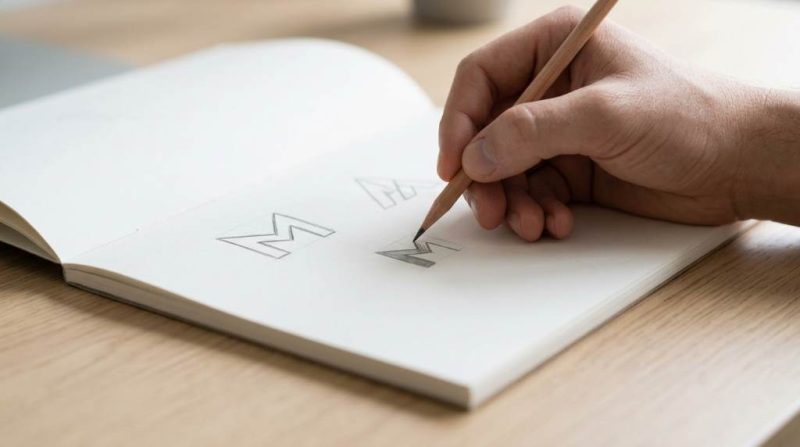
Strong logo quality influences brand recognition because people form visual impressions within seconds. Studies show that consistent branding can increase revenue by up to 23%, while nearly 75% of consumers recognize brands through logos. Therefore, businesses should protect every design from quality loss by learning how to fix blurry vector graphics before publishing. This guide explains practical ways to maintain crisp logo designs across digital and printed materials in Seattle.
Understand What Makes Logo Designs Lose Sharpness
Many logos appear blurry because designers export incorrect file formats for different applications. Additionally, resizing raster files often reduces visual quality beyond acceptable branding standards.
Professional teams often review clean fuzzy graphics techniques before delivering projects. This practice helps prevent quality problems before logos reach websites, signs, packaging, or promotional materials.
Compression also affects logo appearance across websites and social platforms. Therefore, choosing proper export settings preserves clean edges and readable typography.
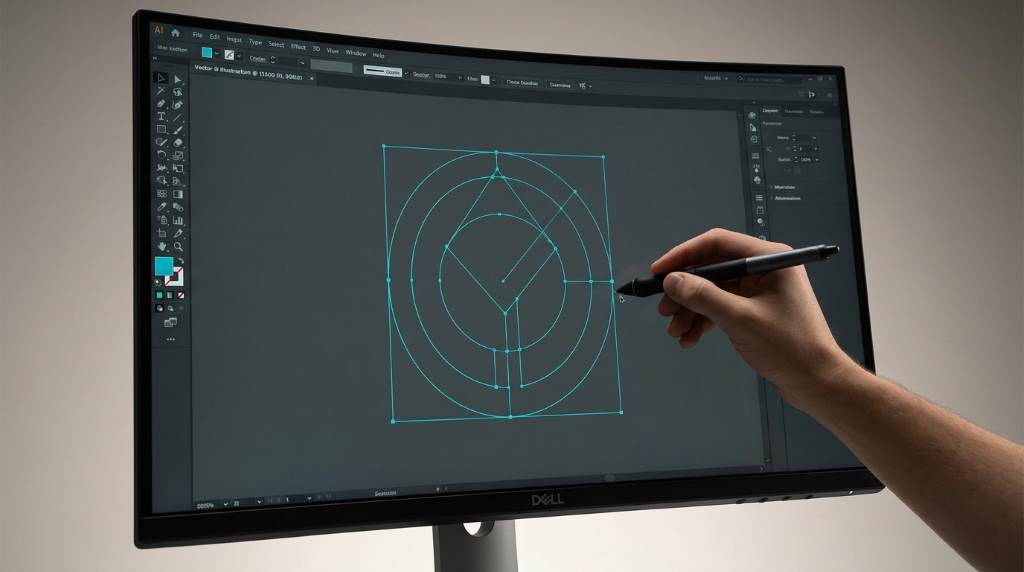
Start Every Project With Vector Graphics
Vector files remain the foundation of professional logo design because they scale without losing clarity. Unlike raster images, vectors maintain smooth curves and sharp lines at every size.
Design software such as Adobe Illustrator creates editable vector artwork with precision. Consequently, businesses can print billboards, business cards, and banners from one master file.
Always save original artwork before creating exported versions for different platforms. This workflow protects the highest quality source for future updates.
Choose the Right File Types
Select SVG for websites because it scales perfectly on modern displays. Meanwhile, use PDF, AI, or EPS files for professional printing whenever possible.
- SVG for websites and responsive interfaces
- AI for editable master artwork
- EPS for print production
- PDF for sharing with printers and clients
- PNG for transparent web graphics
Apply Strong Logo Design Principles
Sharp visuals begin with thoughtful planning rather than editing after mistakes appear. Moreover, balanced layouts naturally improve clarity across every display size.
Many professionals study powerful logo design principles before building new identities. Following proven design fundamentals reduces unnecessary revisions and strengthens overall visual consistency.
Keep line thickness balanced throughout every logo variation for improved readability. Likewise, avoid unnecessary decorative details that disappear at smaller sizes.
Use Readable Typography
Simple fonts often deliver stronger results than heavily decorative lettering styles. Furthermore, generous spacing improves recognition on mobile devices and printed materials.
Test typography at multiple sizes before approving the final design. This habit ensures every letter remains clear across different marketing channels.
Create a Consistent Export Workflow
Reliable workflows prevent accidental quality loss during production and publishing. Therefore, every designer should document export settings before project completion.
Creative agencies frequently improve efficiency using web design workflow strategies that reduce repetitive tasks. Organized processes also help maintain consistent logo quality between team members.
Create dedicated export folders for web, print, and social media versions. Consequently, everyone accesses the correct file without unnecessary editing.
Maintain Resolution Standards
Use high resolution files whenever raster graphics become necessary for specific projects. Additionally, avoid enlarging low resolution images because quality cannot fully recover.
- Export web graphics at optimized dimensions.
- Create print files with professional resolution.
- Keep transparent background versions available.
- Store master files separately from exported copies.
Optimize Logos for Digital Platforms
Modern websites display logos across multiple screen sizes every day. Therefore, responsive design requires flexible graphics that remain crisp everywhere.
SVG files usually provide the best performance because they stay lightweight and scalable. Meanwhile, optimized PNG files support transparency when vector formats remain unavailable.
Review logos on desktops, tablets, and smartphones before launching updated branding. This testing process quickly reveals spacing, scaling, and visibility issues.
Prepare Logos for Professional Printing
Printed materials require different preparation than digital graphics because production methods vary. Consequently, designers should verify specifications before sending artwork to printers.
Convert colors correctly when preparing files for commercial printing projects. Likewise, confirm bleed, margins, and sizing before final approval.
Request printed proofs whenever possible before ordering large production quantities. This additional review protects branding investments and reduces expensive mistakes.
Protect Brand Consistency Across Every Platform
Brand consistency strengthens customer trust while improving visual recognition over time. Therefore, every department should follow identical logo usage guidelines.
Create a simple brand guide that explains approved colors, spacing, and minimum sizes. This document reduces inconsistent logo usage throughout marketing campaigns.
Update outdated logo files whenever branding changes occur across digital assets. Regular maintenance prevents old versions from appearing in customer facing materials.
Common Mistakes That Reduce Logo Quality
Many businesses accidentally stretch logos instead of resizing them proportionally. As a result, distorted graphics weaken professional credibility immediately.
Another common mistake involves copying compressed images from websites for printing. Instead, always locate the original master artwork before creating new materials.
Avoid excessive effects because shadows, gradients, and filters sometimes reduce visual clarity. Cleaner designs usually remain sharper across different production methods.
Best Practices for Businesses in Seattle
Seattle companies often display logos across storefronts, vehicles, websites, and promotional products. Therefore, maintaining consistent quality supports stronger local brand recognition.
Work with experienced designers who understand both digital and print production requirements. Additionally, schedule periodic branding reviews to identify outdated assets before problems spread.
Store every approved logo version within a secure cloud location for easy access. This organized system simplifies collaboration while protecting valuable brand resources.
Conclusion
Sharp logo designs create stronger first impressions while supporting long term brand credibility. Consistent workflows, vector graphics, and careful testing help preserve quality across every platform.
Start reviewing your logo files today, improve weak design practices, and create a clear brand guide for future projects. These practical steps will help your business present a polished visual identity with confidence.
FAQs
Why do logo designs become blurry?
Logos usually become blurry because low quality raster files are enlarged beyond their original size.
Which file format keeps logos the sharpest?
SVG files generally provide the sharpest results for websites because they scale without losing quality.
Should businesses keep original vector files?
Yes, original vector files allow unlimited resizing and future editing without reducing image quality.
How often should logo files be reviewed?
Review logo files whenever branding updates occur or before launching important marketing campaigns.
Can compressed images be used for printing?
No, professional printing should always use high quality original artwork instead of compressed web images.
