
Experiencing a bootloop on your Google Pixel phone can be incredibly frustrating. Your device repeatedly restarts without fully loading the operating system, leaving you unable to access your apps, contacts, or important data. Fortunately, there are proven methods to break this cycle and regain control of your device. According to tech experts at Hawaii Web Studio, understanding the right troubleshooting techniques can save you time and potentially avoid costly repairs.
A bootloop typically occurs when your device encounters a critical software error during startup. This issue prevents your phone from completing its boot sequence, causing it to restart continuously. The problem can stem from various sources, including corrupted system files, incompatible apps, failed software updates, or even hardware malfunctions. However, accessing Safe Mode provides a crucial workaround that can help you diagnose and fix the problem.
When your Pixel is stuck in bootloop, Safe Mode becomes your most valuable tool for recovery. This diagnostic mode loads only the essential system software while disabling all third-party applications. Therefore, if a recently installed app is causing the bootloop, Safe Mode will allow your device to start normally, confirming that the issue is software-related rather than a hardware problem.
Understanding Bootloop Issues on Pixel Devices
Bootloops don’t happen randomly. There are several common triggers that can cause your Pixel phone to enter this frustrating state. Recently installed applications sometimes conflict with system processes, especially if they require deep system access or modify core functions. Additionally, interrupted software updates can leave your operating system in an incomplete state, preventing proper startup.
System cache corruption represents another frequent cause of bootloop problems. Over time, temporary files and cached data can become corrupted, interfering with normal boot processes. Furthermore, insufficient storage space can prevent your device from loading necessary system components during startup. According to Android Central, these issues have affected various Android devices across different manufacturers, making bootloop problems a recognized concern in the mobile device community.
The Safe Mode Access Trick for Bootloop Recovery
Accessing Safe Mode while your device is stuck in a bootloop requires precise timing and technique. This method works because it intercepts the boot process before problematic apps can load. The trick involves catching your device at exactly the right moment during its restart cycle.
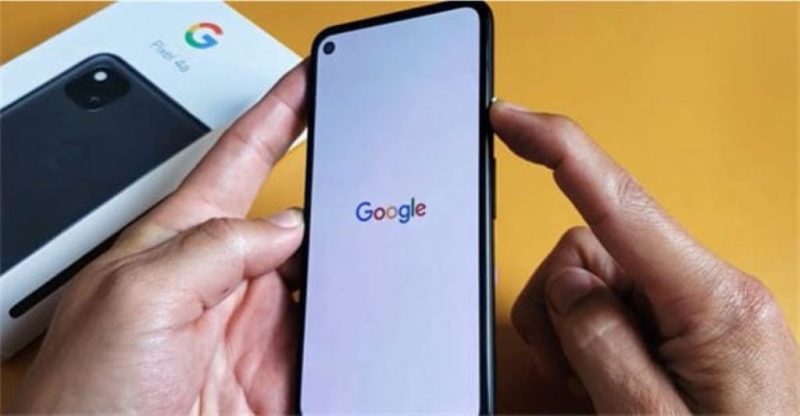
First, allow your Pixel to begin its bootloop cycle naturally. Watch carefully as the Google logo appears on screen during the restart. This visual cue indicates the beginning of the boot sequence. The key is to act during this specific window of opportunity before the device attempts to load all applications and services.
As soon as you see the Google logo, immediately press and hold the Volume Down button. Continue holding this button throughout the entire boot process. Don’t release it until you see the Safe Mode indicator appear in the lower corner of your screen. This technique requires patience and may take several attempts to execute correctly.
Step-by-Step Safe Mode Access During Bootloop
The following detailed steps will guide you through accessing Safe Mode even when your Pixel refuses to boot normally. This process bypasses the standard Safe Mode entry method, which typically requires a functioning device.
Wait for your device to restart automatically as part of its bootloop cycle. Position your finger over the Volume Down button, preparing to press it immediately. The moment the Google logo lights up your screen, press and hold the Volume Down button firmly. Keep holding this button without interruption as your device continues through its boot sequence.
Watch your screen carefully during this process. You should notice your device taking slightly longer to complete its startup compared to the unsuccessful bootloop attempts. This extended boot time indicates that your device is loading in Safe Mode, which requires additional processing to disable third-party apps.
When successful, you’ll see “Safe Mode” displayed in the bottom left or bottom right corner of your screen. Additionally, your home screen will appear different, with many app icons grayed out or missing entirely. This visual confirmation indicates you’ve successfully entered Safe Mode despite the bootloop condition.

Troubleshooting Common Safe Mode Access Problems
Sometimes, the Safe Mode trick doesn’t work on the first attempt. Several factors can affect your success rate when trying this technique. Timing represents the most critical element. If you press the Volume Down button too early or too late, your device will simply continue its bootloop cycle.
Try varying your timing slightly with each attempt. Some users find success by waiting until the Google logo fully brightens before pressing the button. Others achieve better results by pressing the button the instant any pixel of the logo becomes visible. Experiment with different timing windows across multiple restart cycles.
If repeated attempts fail, consider allowing your device to complete several bootloop cycles before trying again. Sometimes, the system needs to exhaust certain error-checking processes before it can accept the Safe Mode command. Therefore, patience often proves essential when dealing with persistent bootloop issues.
What to Do Once in Safe Mode
Successfully reaching Safe Mode represents only the first step in resolving your bootloop problem. Now you must identify and eliminate the cause. Start by navigating to your Settings menu, which should function normally in Safe Mode. From there, access the Apps or Applications section to review recently installed software.
Look for apps you installed or updated shortly before the bootloop began. These recent additions are the most likely culprits. Uninstall suspicious apps one at a time, starting with the most recent. After each uninstall, restart your device normally to check if the bootloop persists.
Additionally, clearing your cache partition can resolve bootloop issues caused by corrupted temporary files. Access the Recovery Mode menu by powering off your device, then holding Volume Down and Power simultaneously. Navigate to “Wipe Cache Partition” using the volume buttons and confirm with the power button. This process removes temporary files without affecting your personal data.
When Safe Mode Doesn’t Solve the Problem
Unfortunately, some bootloop situations require more advanced solutions. If your device continues looping even in Safe Mode, the problem likely extends beyond third-party applications. Hardware failures, corrupted system partitions, or severe software corruption may be responsible.
In these cases, a factory reset becomes necessary. This process erases all data from your device, returning it to its original state. Before proceeding, understand that you’ll lose all data not backed up to cloud services. If possible, try connecting your device to a computer to retrieve important files before resetting.
Perform a factory reset through Recovery Mode. Power off your device, then boot into Recovery Mode using the button combination mentioned earlier. Navigate to “Factory Reset” or “Wipe Data” and confirm your selection. The reset process typically takes several minutes to complete.
Preventing Future Bootloop Issues
Once you’ve resolved your bootloop problem, take steps to prevent recurrence. Always install apps from trusted sources, primarily the Google Play Store. Additionally, read user reviews before installing new applications, paying special attention to recent comments mentioning crashes or system issues.
Keep your Pixel updated with the latest security patches and system updates. These updates often include fixes for known issues that could trigger bootloops. However, avoid interrupting updates once they’ve started, as incomplete installations frequently cause serious problems.
Regularly back up your data to Google Drive or other cloud services. This practice ensures you won’t lose important information if bootloop issues require a factory reset. Furthermore, periodically clear your cache and remove unused apps to maintain optimal system performance.
Conclusion
Bootloop problems can strike any Pixel device, but understanding how to access Safe Mode during these cycles gives you a powerful recovery tool. The technique of holding Volume Down during the Google logo appearance allows you to bypass problematic apps and diagnose software issues. Once in Safe Mode, you can uninstall problematic applications, clear corrupted cache files, or prepare for more extensive solutions like factory resets.
Remember that patience and precise timing are essential when attempting Safe Mode access during bootloops. Multiple attempts may be necessary before achieving success. However, this method remains one of the most effective first-response solutions for bootloop problems. If Safe Mode access and basic troubleshooting don’t resolve your issue, don’t hesitate to contact Google support or visit a professional repair service for hardware diagnostics.
Frequently Asked Questions
How long should I hold the Volume Down button when trying to enter Safe Mode during a bootloop?
Hold the Volume Down button from the moment you see the Google logo until Safe Mode appears on your screen. This typically takes 30 to 60 seconds. Don’t release the button prematurely, as doing so will cause your device to boot normally and likely continue the bootloop cycle.
Can I recover my data if my Pixel won’t exit bootloop even in Safe Mode?
If Safe Mode doesn’t help, you may still recover data by connecting your device to a computer during brief moments when it partially boots. Alternatively, if you previously enabled USB debugging, specialized recovery software might extract files. However, successful data recovery isn’t guaranteed in severe bootloop situations.
Will entering Safe Mode delete any of my apps or data?
No, Safe Mode is a diagnostic tool that temporarily disables third-party apps without removing them. Your data, apps, and settings remain intact. Safe Mode simply prevents third-party apps from loading, allowing you to identify problematic software without losing anything permanently.
Why does my Pixel keep bootlooping after a software update?
Software update bootloops typically occur when the update process is interrupted, corrupted files are installed, or the new software conflicts with existing apps. Sometimes, insufficient storage space prevents updates from completing properly. Clearing the cache partition or performing a factory reset usually resolves update-related bootloops.
Is a bootloop always a software problem, or could it be hardware?
While bootloops are usually software-related, hardware issues can also cause them. Failing storage chips, damaged motherboard components, or battery problems might trigger bootloop behavior. If Safe Mode, cache clearing, and factory resets don’t help, hardware diagnostics from a professional technician become necessary.
Related Topics:
How to reset an ipad mini? Follow the easy guideline
What to do to make phone battery last longer?
