

Manual monitoring consumes valuable time and resources across industries. Human observers must constantly watch systems, check readings, and record data manually. This approach leads to fatigue, errors, and inefficiencies that impact productivity and safety.
Technological solutions now automate monitoring tasks once requiring constant human attention. These innovations free workers for higher-value activities while improving accuracy and response times. Understanding how technology reduces manual monitoring dependency helps organizations modernize operations effectively.
Understanding the Limitations of Manual Monitoring
Manual monitoring requires dedicated personnel to observe processes continuously. Workers must physically check equipment, record measurements, and identify abnormalities. This constant vigilance proves expensive and difficult to maintain around the clock.
Human fatigue introduces errors into manual monitoring systems. After several hours, attention spans decline and mistakes increase. Additionally, people need breaks, vacations, and shift changes that create coverage gaps.
Manual data recording creates opportunities for transcription errors and lost information. Handwritten logs become difficult to read, analyze, or share quickly. Therefore, decision-makers often lack timely access to critical operational data.
Scaling manual monitoring becomes prohibitively expensive as operations grow. Each new asset or process requires additional personnel. Moreover, training and managing large monitoring teams adds administrative burden beyond direct labor costs.
Implementing Automated Sensor Networks
Sensor networks continuously collect data without human intervention. Temperature, pressure, vibration, and countless other parameters stream automatically to central systems. These sensors never tire, miss observations, or need breaks.
Modern sensors connect wirelessly, eliminating expensive hardwiring requirements. Installation becomes faster and less disruptive to existing operations. Additionally, wireless networks easily expand as monitoring needs grow.
Internet of Things technology enables sensors to communicate directly with monitoring platforms. Data flows automatically from field devices to cloud-based dashboards. Therefore, stakeholders access real-time information from anywhere with internet connectivity.
Sensor accuracy often exceeds human measurement capabilities. Digital instruments detect subtle changes invisible to manual observers. Moreover, continuous measurement captures trends and patterns intermittent manual checks would miss.
Utilizing Artificial Intelligence for Pattern Recognition
Artificial intelligence analyzes monitoring data faster and more thoroughly than human observers. Machine learning algorithms identify patterns indicating potential problems before failures occur. These systems learn continuously, improving detection accuracy over time.
AI-powered anomaly detection flags unusual conditions automatically. The technology establishes baseline performance patterns and alerts operators when deviations occur. Additionally, false alarm rates decrease as systems learn to distinguish normal variations from genuine concerns.
Predictive maintenance algorithms forecast equipment failures based on historical data and real-time conditions. Organizations can schedule maintenance proactively rather than responding to breakdowns. Therefore, downtime decreases while maintenance efficiency improves.
Computer vision technology monitors visual conditions without human observers. Cameras combined with AI recognize safety violations, quality defects, and security threats automatically. These systems never lose focus or overlook important visual details.
According to Forbes, AI-powered predictive maintenance reduces equipment downtime by up to 50 percent while extending machinery life significantly.
Deploying Remote Monitoring Systems
Remote monitoring systems allow oversight from centralized locations rather than physical site presence. Operators monitor multiple facilities simultaneously from single control rooms. This consolidation dramatically reduces staffing requirements while improving response coordination.
Cloud-based platforms provide access to monitoring data from any device with internet connectivity. Managers review operations from offices, homes, or while traveling. Additionally, mobile apps deliver alerts and critical information to smartphones instantly.
Video surveillance with intelligent analytics monitors facilities continuously. Advanced systems detect motion, count people, recognize faces, and identify suspicious activities automatically. Therefore, security personnel focus on genuine threats rather than watching empty screens.
Remote access enables expert support without travel requirements. Specialists diagnose problems and guide local teams through solutions virtually. Moreover, this eliminates delays and expenses associated with sending experts to distant locations.
Establishing Automated Alert Systems
Automated alerts notify appropriate personnel immediately when conditions require attention. Customizable thresholds trigger notifications via text, email, phone calls, or mobile app pushes. These instant communications eliminate discovery delays inherent in manual monitoring.
Escalation protocols ensure critical alerts reach decision-makers if initial recipients don’t respond. Systems automatically contact backup personnel after specified timeframes. Additionally, alert routing adapts based on severity levels and time of day.
Alert fatigue decreases when intelligent systems filter genuine concerns from normal fluctuations. Machine learning algorithms reduce false positives that cause operators to ignore notifications. Therefore, response rates improve when alerts indicate real problems.
Integration with workflow systems creates automated responses to common scenarios. Alerts can trigger predefined actions like equipment shutdowns, process adjustments, or backup system activations. Moreover, this automation prevents problems from escalating while human responders mobilize.
Integrating Building Management Systems
Building management systems automate monitoring and control of heating, cooling, lighting, and security. These integrated platforms eliminate manual rounds checking thermostats, light switches, and door locks. Energy consumption optimizes automatically based on occupancy and weather conditions.
Smart thermostats adjust temperatures based on schedules, occupancy sensors, and learning algorithms. Buildings maintain comfort while minimizing energy waste without constant manual intervention. Additionally, remote access allows adjustments from anywhere.
Lighting controls respond to occupancy, daylight levels, and time schedules automatically. Spaces illuminate only when needed, reducing energy consumption significantly. Therefore, facilities eliminate personnel dedicated to turning lights on and off.
Access control systems monitor and record entry activities automatically. Digital logs replace manual visitor books and security guard observations. Moreover, automated systems restrict access based on credentials, schedules, and authorization levels.
Leveraging Industrial Internet of Things Solutions
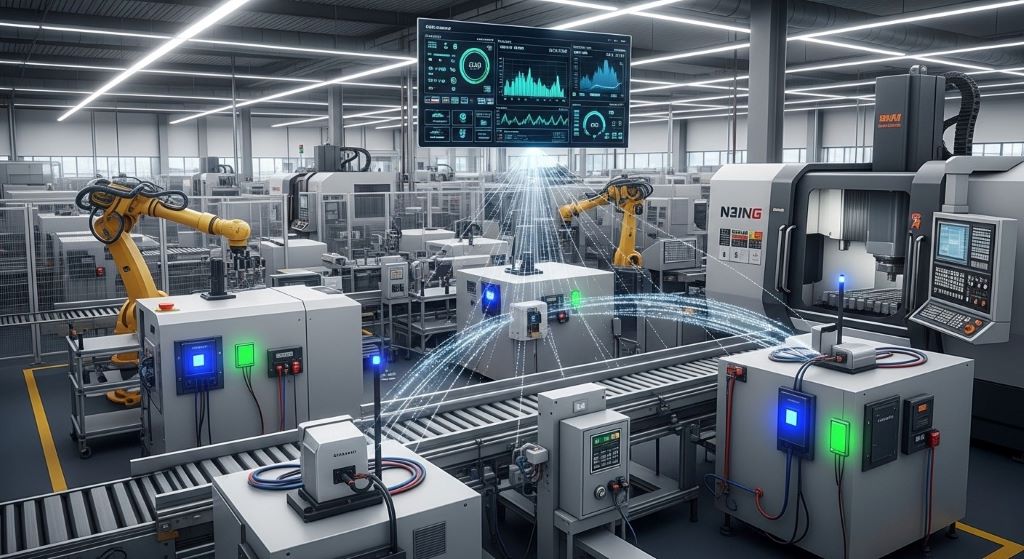
Industrial IoT connects machinery, sensors, and control systems into unified monitoring ecosystems. Production equipment reports performance, maintenance needs, and quality metrics automatically. This comprehensive visibility replaces fragmented manual inspection routines.
Real-time production monitoring tracks output, efficiency, and quality continuously. Operators identify bottlenecks and optimization opportunities immediately rather than waiting for end-of-shift reports. Additionally, automated data collection ensures accuracy manual recording cannot match.
Supply chain visibility extends monitoring beyond facility walls. Sensors track shipments, monitor storage conditions, and verify handling procedures throughout logistics networks. Therefore, companies maintain quality assurance without personnel stationed at every location.
Energy management systems monitor consumption across facilities in granular detail. Automated analysis identifies waste, validates conservation measures, and optimizes usage patterns. Moreover, real-time visibility enables immediate responses to anomalies rather than discovering problems weeks later through utility bills.
Adopting Drone Technology for Inspections
Drones inspect infrastructure, equipment, and facilities faster and safer than manual methods. Aerial surveys cover vast areas quickly while capturing detailed imagery. Additionally, drones access dangerous or difficult locations without risking human safety.
Automated flight paths ensure consistent, repeatable inspections. Drones follow programmed routes capturing standardized imagery for comparison over time. Therefore, condition changes become immediately apparent through automated image analysis.
Thermal imaging cameras mounted on drones detect heat signatures indicating electrical problems, insulation defects, or equipment malfunctions. These issues often remain invisible to manual visual inspections. Moreover, early detection prevents failures and reduces repair costs.
Pipeline, power line, and railway inspections cover hundreds of miles using drone technology. Automated systems identify vegetation encroachment, structural damage, and maintenance needs without crews physically walking entire routes. Additionally, inspection frequency increases because drone surveys cost less than manual methods.
Implementing Dashboard and Analytics Platforms
Centralized dashboards aggregate data from multiple monitoring systems into unified views. Operators see comprehensive status at a glance rather than checking numerous individual systems. This consolidation reduces cognitive load while improving situational awareness.
Customizable visualizations present complex data in easily digestible formats. Graphs, charts, and color-coded indicators communicate status faster than numerical tables. Additionally, role-based views ensure each stakeholder sees relevant information for their responsibilities.
Historical data analysis reveals trends invisible in real-time monitoring. Platforms identify seasonal patterns, degradation curves, and correlation between variables. Therefore, organizations make data-driven decisions rather than relying on intuition.
Automated reporting generates summaries, compliance documentation, and performance metrics without manual compilation. Scheduled reports deliver information to stakeholders automatically. Moreover, standardized formats ensure consistency and completeness manual reporting often lacks.
According to MIT Sloan Management Review, companies using connected monitoring systems report 25-30 percent improvements in operational efficiency alongside significant cost reductions.
Ensuring Cybersecurity in Automated Monitoring
Automated monitoring systems require robust cybersecurity measures protecting data and control access. Encrypted communications prevent interception of sensitive operational information. Additionally, secure authentication ensures only authorized personnel access monitoring platforms.
Regular security updates patch vulnerabilities in monitoring software and connected devices. Automated update systems maintain protection without manual intervention. Therefore, systems remain secure against evolving threats.
Network segmentation isolates monitoring systems from other business networks. This containment limits potential damage if breaches occur. Moreover, redundant systems maintain monitoring capabilities even if primary networks face attacks.
Access controls limit monitoring platform permissions based on roles and responsibilities. Audit trails track all access and changes for security and compliance purposes. Additionally, multi-factor authentication adds extra protection for remote access.
Training Teams for Technology Transition
Successful transition from manual to automated monitoring requires comprehensive training programs. Teams must understand new systems, interpret automated alerts, and respond appropriately. Therefore, organizations invest in education alongside technology implementation.
Hands-on training with monitoring platforms builds operator confidence and competence. Simulated scenarios prepare teams for various situations they’ll encounter. Additionally, ongoing education keeps skills current as systems evolve.
Change management strategies address resistance and concerns about automation. Clear communication about technology benefits and job role evolution reduces anxiety. Moreover, involving frontline workers in implementation planning increases buy-in.
Documentation and support resources enable self-service problem-solving. Video tutorials, quick reference guides, and knowledge bases supplement formal training. Therefore, teams access help when needed without always requiring expert assistance.
Measuring Return on Investment
Automated monitoring investments deliver measurable returns through reduced labor costs. Fewer personnel dedicated to monitoring tasks directly decreases payroll expenses. Additionally, redeploying workers to value-added activities improves overall productivity.
Downtime reduction from faster problem detection and response saves substantial money. Every hour of avoided downtime preserves revenue and prevents costly emergency repairs. Therefore, monitoring technology often pays for itself through operational continuity alone.
Energy savings from optimized systems quickly offset automation costs. Precise monitoring enables efficiency improvements impossible with manual observation. Moreover, automated adjustments respond instantly to changing conditions.
Compliance improvements reduce fines, penalties, and legal expenses. Automated documentation proves regulatory adherence more convincingly than manual records. Additionally, continuous monitoring catches violations before they escalate into serious problems.
Conclusion
Technological solutions dramatically reduce dependency on manual monitoring across industries. Automated sensors, artificial intelligence, remote systems, and integrated platforms eliminate human observation limitations while improving accuracy and response times. Organizations implementing these technologies reduce costs, enhance safety, and increase operational efficiency. Therefore, transitioning from manual to automated monitoring represents essential modernization for competitive advantage. The combination of real-time data, predictive analytics, and automated responses creates smarter operations that human-only monitoring cannot match. Investing in monitoring technology delivers measurable returns while positioning organizations for future success in increasingly automated industries.
Frequently Asked Questions
What industries benefit most from automated monitoring technology?
Manufacturing, energy, healthcare, transportation, and facilities management gain significant advantages from automated monitoring. Any industry requiring continuous observation of equipment, processes, or conditions benefits. Additionally, organizations with distributed assets or hazardous environments see particularly strong returns on monitoring investments.
How much does automated monitoring technology typically cost?
Costs vary widely based on system complexity, facility size, and features required. Basic sensor networks start around several thousand dollars, while comprehensive industrial IoT implementations cost hundreds of thousands. However, most organizations achieve positive ROI within 12-24 months through reduced labor and improved efficiency.
Can automated monitoring completely eliminate human oversight?
No, automated monitoring reduces but doesn’t eliminate human involvement. Systems require human interpretation, decision-making, and intervention when alerts trigger. Additionally, personnel must maintain equipment, validate data accuracy, and handle situations beyond automated response capabilities.
What happens if automated monitoring systems fail?
Redundant systems, backup power, and failsafe protocols protect against monitoring failures. Many platforms include self-diagnostics alerting administrators to system problems. Additionally, organizations maintain emergency procedures for manual fallback when necessary, though failures are rare with properly designed systems.
How long does implementation of automated monitoring take?
Implementation timelines range from weeks for simple systems to months for complex enterprise solutions. Small facilities might deploy basic monitoring in 2-4 weeks, while large industrial operations require 6-12 months. Therefore, phased rollouts often balance quick wins with comprehensive coverage.
Related Topics:
Hexomatic: Your AI-Powered Work Automation Superhero
How to Access IoT Hidden Menu: Unlock Hidden Features and Settings
