

Every November, Lisbon transforms into the beating heart of the global technology world. Founders, investors, developers, and policy leaders from every corner of the planet descend on the Portuguese capital for one of the most exciting weeks in tech. Web Summit Lisbon 2026 is set to carry on that tradition, and this guide covers everything you need to know before you go.
Whether you are attending for the first time or returning for another year, planning ahead makes all the difference. Read on for the confirmed dates, schedule structure, speaker highlights, key tracks, networking tips, and practical travel advice.
When and Where Is Web Summit 2026?
Web Summit 2026 takes place from November 9 to 12, 2026, in Lisbon, Portugal. The event runs across the Altice Arena and the FIL Lisbon Exhibition and Congress Centre, both located in the Parque das Nações district of the city. This waterfront neighborhood sits about ten minutes from Lisbon Airport by metro, making it one of the most accessible major conference venues in Europe.
November 9 serves as the pre-conference day. This is when early registration opens, mentorship sessions begin, and startup workshops get underway. The main conference days run from November 10 through November 12. These are the days packed with keynote addresses, panel discussions, exhibitions, and networking events.
Therefore, if you are traveling from abroad, arriving on November 8 or the morning of November 9 gives you time to settle in and get your bearings before the main action begins.
A Brief Look at Web Summit’s Story
Web Summit was founded in 2009 by Paddy Cosgrave in Dublin, Ireland. In its early years, it was a modest gathering for the European tech community. However, it grew rapidly. By 2016, the event had outgrown Dublin and moved to Lisbon, where it has been held ever since.
Today, Web Summit consistently draws more than 70,000 attendees from over 160 countries. It brings together startup founders, venture capitalists, enterprise executives, journalists, and government representatives all under one roof. Additionally, the event has expanded beyond Lisbon, with sister events now held in other global cities throughout the year.
The sheer diversity of attendees sets Web Summit apart from many other technology conferences. It is not just a gathering for engineers or investors. It is a place where all the forces shaping the future of technology come together at once.
The 2026 Schedule: What to Expect Each Day
The full 2026 schedule is expected to be published in September, ahead of the event. However, the daily structure of Web Summit remains consistent from year to year, so here is what you can plan around.
November 9: Pre-Conference Day
The week kicks off with a day designed for preparation and connection. This includes registration, startup workshops, and structured Mentor Hours where early-stage founders meet with experienced entrepreneurs and investors. Evening networking events often begin on this day as well. It is a quieter day than what follows, but it sets the stage well.
November 10: Opening Day and Centre Stage Keynotes
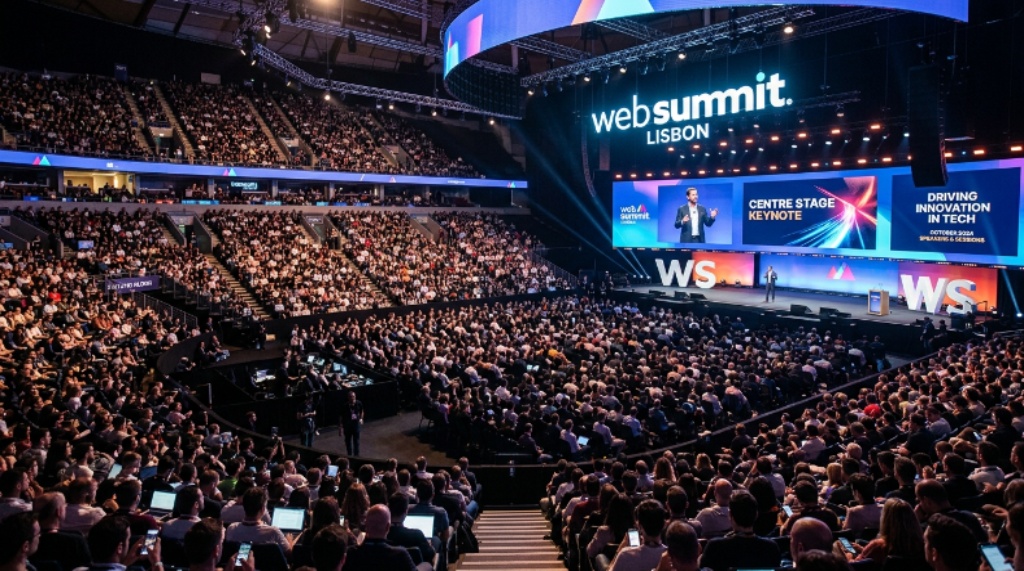
This is the day the full energy of the conference arrives. Centre Stage keynotes open the morning with high-profile speakers addressing the big questions in technology and society. The Opening Night ceremony traditionally brings together thousands of attendees and is a defining moment of the week.
November 11: Deep Dives and Sector Summits
The middle day of the main conference tends to be the most packed. Sector-specific summits run throughout the day across multiple stages. This is when the more specialized conversations happen, and where you are most likely to find sessions directly relevant to your field.
November 12: Final Day and Closing Moments
The final day maintains high energy right through to the end. Key announcements, closing sessions, and last-chance networking fill the schedule. Many attendees use this day to wrap up meetings and say their goodbyes before the city quiets down again.
The Stages and Tracks
One of Web Summit’s defining features is its multi-stage format. Rather than funneling everyone into a single auditorium, the event spreads content across a large number of stages and specialized summits. This means there is always something relevant happening, regardless of your industry or role.
Centre Stage is the main arena. It hosts the biggest keynote speakers and draws the largest crowds. Sessions here tend to address broad themes in technology, business, and global affairs.
Beyond Centre Stage, several dedicated summits run throughout the event:
- ContentSummit focuses on media, publishing, and the creator economy.
- PandaConf covers digital marketing, growth strategy, and brand building.
- SaaS Monster is built for enterprise software leaders and B2B technology companies.
- FullSTK is designed for developers and engineering teams.
- AI Summit is dedicated to artificial intelligence, machine learning, and the future of automation.
Additionally, Startup University offers a dedicated program for early-stage founders, covering everything from fundraising to product development to go-to-market strategy.
What Topics Will Dominate in 2026?
Based on current trends and past programming, several themes are expected to shape the 2026 agenda.
Generative AI in enterprise settings will almost certainly be a central topic. Businesses across every sector are trying to figure out how to embed AI tools into their operations. Expect keynotes and panels that go beyond the hype and get into the practical realities of deployment, governance, and measurement.
Climate technology is another growing area. Investors are pouring money into clean energy, carbon capture, and sustainable infrastructure. Web Summit has increasingly made space for climate-focused discussions, and that trend is likely to continue.
The space economy is gaining traction as a serious business topic, not just a science story. With commercial launch costs falling and satellite-based services expanding, more companies are building on space infrastructure. Expect this to appear across multiple sessions.
The future of work remains a live debate. Remote work, AI-assisted productivity, and the changing nature of employment are subjects that affect every industry. These conversations will find their way into multiple tracks throughout the week.
Furthermore, regulation and technology governance are likely to feature prominently. Governments around the world are still working out how to regulate AI, digital markets, and data privacy. Policymakers and legal experts are regular fixtures at Web Summit, and 2026 will be no different.
Speakers: What to Know Before the Lineup Drops
The official speaker lineup for 2026 will be announced in waves between June and September. Web Summit typically releases big names first to build excitement, followed by a broader roster of experts, investors, and regional voices.
Past editions have featured some of the most prominent figures in technology and public life. Investors like Reid Hoffman of Greylock, Peter Thiel of Founders Fund, and Vinod Khosla of Khosla Ventures have all taken the stage. Top venture capital firms such as Sequoia, General Catalyst, and Redpoint Ventures are regular participants.
The event also regularly attracts global policymakers and heads of government who engage with technology issues. Additionally, journalists from leading publications like TechCrunch serve as interviewers and moderators, adding editorial sharpness to the conversations.
To stay up to date on speaker announcements, follow the official Web Summit website and social media channels. Signing up for their newsletter is also a reliable way to catch announcements early.
Startups at Web Summit 2026
Startups are at the heart of Web Summit. Thousands of early-stage companies exhibit on the show floor each year. For a startup, the event offers a rare chance to get in front of investors, potential customers, and media all at the same time.
The PITCH competition is one of the most sought-after opportunities for early-stage founders. Selected startups present on the main stage in front of a global investor audience. Winning or simply competing in PITCH can provide a significant boost in visibility and credibility.
Mentor Hours are another key benefit. These structured one-on-one sessions connect founders with experienced mentors from across the industry. The advice gained in a 20-minute Mentor Hour can sometimes be more valuable than a full day of panels.
Startup exhibition packages start from around €495 and include exhibition space, attendee badges, and eligibility for the PITCH competition. Applications for the 2026 edition are worth submitting as early as possible, since demand typically exceeds available spots.

Tickets and Pricing
General attendee tickets for Web Summit start from around €995, with early-bird pricing available from March. Corporate packages are available for companies sending teams of multiple attendees.
Investors who meet the qualification criteria can apply for complimentary tickets. This reflects Web Summit’s interest in keeping the investor community well represented. Platinum Investor tickets, priced at €1,950, include added benefits such as access to the Investor Lounge and invite-only side events.
All tickets are purchased directly through the official Web Summit website. Given the size of the event and its global audience, tickets tend to move quickly. Booking early is strongly advised.
Networking: The Real Value of the Week
Many attendees say the most valuable part of Web Summit is not the talks. It is the conversations that happen in the corridors, at coffee stands, and during evening events. Therefore, your networking strategy matters as much as your schedule.
The Web Summit app is the primary tool for managing your time at the event. It allows you to browse the full attendee list, request meetings, and build a personalized agenda. Popular attendees tend to have full schedules within days of the app going live, so sending meeting requests early gives you a clear advantage.
Night Summit is Web Summit’s official after-hours program. It runs each evening across Lisbon’s bars, restaurants, and venues, creating a relaxed setting for conversations that might not happen in a conference hall. It is one of the more beloved traditions of the week.
Additionally, many companies and organizations host their own side events during the week. These range from invite-only dinners to public happy hours. Keeping an eye on LinkedIn and social media in the weeks before the event will help you identify the most relevant ones.
Getting to Lisbon and Getting Around
Lisbon is one of Europe’s most connected cities. Direct flights arrive from major hubs in North America, the Middle East, and across Europe. The airport sits within the city, and the metro line runs directly to the Parque das Nações venue in under ten minutes.
Once you are at the venue, the scale can be surprising. The FIL exhibition centre is enormous, and attendees regularly log over 15,000 steps a day. Comfortable shoes are a genuine necessity, not just a suggestion.
Hotel availability near the venue fills up months in advance during Web Summit week. However, neighborhoods like Arroios, Alfama, and Bairro Alto offer good alternatives with easy metro access and a more local atmosphere. Many attendees also explore Airbnb options across the city.
Conclusion
Web Summit Lisbon 2026 runs from November 9 to 12 at the Altice Arena and FIL in Parque das Nações. It brings together more than 70,000 attendees from 160 countries across stages covering AI, fintech, climate tech, marketing, and more. The event is structured around powerful Centre Stage keynotes, specialized summits, and the startup exhibition, with networking built into every corner of the week through Mentor Hours and Night Summit events. Speaker announcements will roll out from June onward, with major names expected across technology, investment, and government. Tickets are on sale now, and accommodation books out fast. If you start planning now, you will arrive in Lisbon ready to make the most of every day.
Frequently Asked Questions
When exactly does Web Summit 2026 take place?
Web Summit 2026 runs from November 9 to 12, 2026, in Lisbon, Portugal. November 9 is a pre-conference day focused on registration, workshops, and mentorship. The main conference days are November 10, 11, and 12.
Where is the venue for Web Summit 2026?
The event is held at the Altice Arena and the FIL Lisbon Exhibition and Congress Centre in the Parque das Nações district of Lisbon. The venue is approximately ten minutes from Lisbon Airport by metro.
How much does a ticket to Web Summit cost?
General attendee tickets start from around €995, with early-bird options available. Startup exhibition packages begin at approximately €495. Qualified investors can apply for complimentary or subsidized access. All tickets are sold through the official website at websummit.com.
When will the speaker lineup for 2026 be announced?
Web Summit typically announces speakers in several waves between June and September. The full agenda and session schedule are usually published in September, ahead of the November event. Following the official website and newsletter is the best way to stay updated.
Is Web Summit suitable for early-stage startups?
Yes. Startups are central to the Web Summit experience. The event offers dedicated exhibition space, Mentor Hours, Startup University programming, and the PITCH competition, where selected startups present to global investors on the main stage.
